

Weeds love Byron Shire as much as gardeners do. Warm, wet summers and good soil suit them just as well as the plants you chose. At JonesBee we don’t use synthetic herbicides on any garden we look after, so we’ve had plenty of practice at the other ways of keeping weeds down. These are the methods we rely on, and a couple we use less than you might expect.
We garden this way because of the soil. Healthy soil is full of microbes, worms and other life that recycle nutrients and keep plants strong, and synthetic garden chemicals harm that life. Every method below works with the soil instead of against it.
Plant density: let your plants win the space
The best weed control is a garden with no room left for weeds. Weeds thrive in any patch of soil left open to the sun, so before we pull a single weed, we look for the gaps: bare ground between shrubs, the edges of beds, the spot where a plant died and nothing replaced it.
Then we fill those gaps with plants. Once a bed is planted densely enough for the leaves to meet, the plants shade and cover the soil, and weed seeds that land there struggle to get going. Groundcovers do this between taller plants, and a gap gets replanted rather than left bare. A new bed takes a season or two to close over, and mulch covers the soil until it does. After that, there’s far less weeding every season.
Byron Shire Council gives residents similar advice: replace weeds with local native species.
Hand weeding at the right time
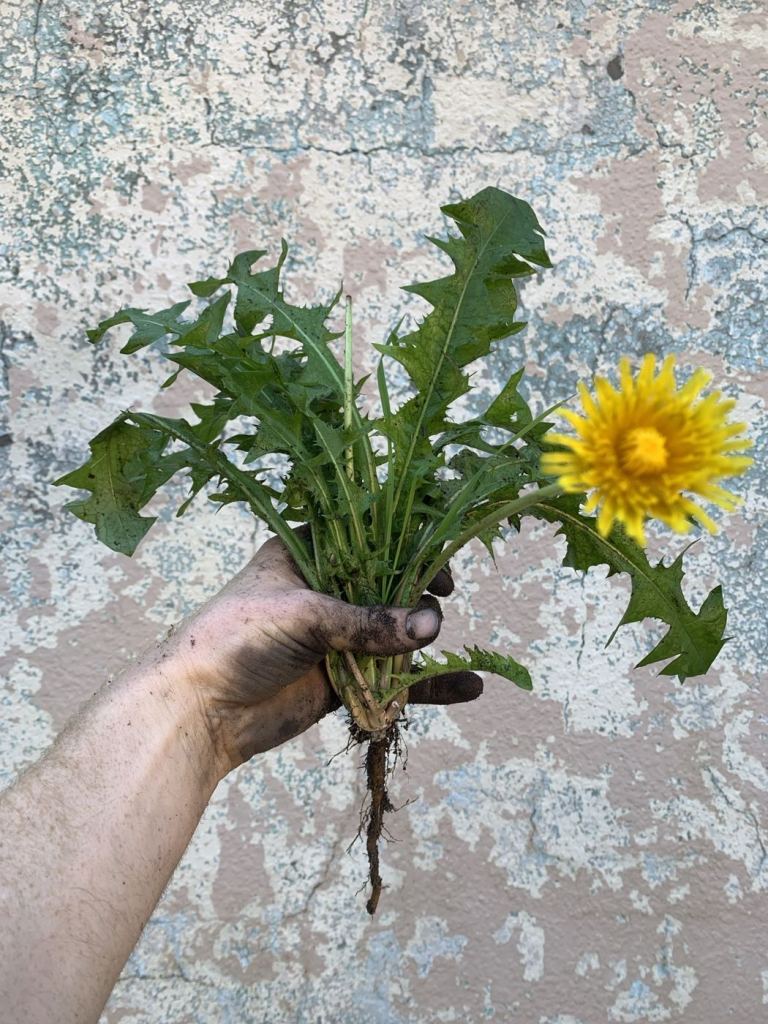
Pulling weeds by hand still does most of the work, and timing makes a big difference. After rain, when the soil is soft, roots come out whole. In dry, hard ground they snap off, and many weeds grow back from the piece left behind.
Get the whole root, especially on weeds that spread by runners or bulbs. And pull weeds before they flower. A weed left to set seed can give you a crop of seedlings to deal with next season.
Mulch blocks weeds and feeds the soil
A thick layer of mulch blocks the light weed seeds need to sprout. It also holds moisture in the soil, and as it breaks down it feeds the soil life that keeps plants healthy. We aim for around 7 to 10 centimetres, kept a hand’s width back from plant stems so they don’t rot, and we top it up as it breaks down.
Spring is a good time to mulch, before the summer heat and storms arrive.
Smothering a patch that’s got away
When a bed or an old lawn has been taken over, pulling it all by hand can take days. Smothering is slower to work but far easier on your back. Cut the weeds low, cover the area with overlapping sheets of plain cardboard, soak it, and spread mulch on top. Without light, most of what’s underneath dies back, and the cardboard breaks down into the soil. Once it softens you can plant straight through it.
This works best on soft weeds and grasses. Tough runners and woody weeds can push through or creep in from the edges, so keep an eye on the area for a few months and pull anything that pops up.
What about vinegar and boiling water?
Home-made weed sprays are popular, and it helps to know their limits. Vinegar burns the leaves it touches, but it doesn’t travel down to the roots. US Department of Agriculture research found that perennial weeds sprayed with household-strength vinegar (about 5% acetic acid) lost their leaves and then grew back from the roots. Stronger horticultural vinegar does better on young weeds, but it can burn skin and eyes, and it will damage any garden plant it lands on.
Boiling water works the same way and is handy for weeds in paving cracks and gravel paths, well away from plants you want to keep. In garden beds, hand weeding and mulch do a better job.
Local weeds worth removing first
Some weeds here are more than a nuisance. Byron Shire Council names camphor laurel, lantana, cat’s claw creeper, Madeira vine, privet, ground asparagus and ochna (Mickey Mouse plant) among the widespread weeds that spread from gardens into bushland. A few popular garden plants also escape into the bush, including murraya, duranta, cocos palm and cherry guava.
If you have any of these, remove fruit and seeds before birds spread them, and think about swapping them for natives over time. For the tricky ones, the NSW WeedWise website and app explain how each species should be controlled. Council also points out that landowners are responsible for controlling weeds on their own property.
What to do with the weeds you pull
Council suggests composting weeds on your property, putting them in your green bin, or taking them to the Byron Resource Recovery Centre. Madeira vine is the exception: it can’t go any of those ways, so check NSW WeedWise for how to deal with it.
If you compost at home, add only weeds that haven’t gone to seed. A backyard heap often doesn’t get hot enough to kill seeds, and you’ll end up spreading them with your compost.
How we look after gardens without herbicides
On a JonesBee garden maintenance visit, weeding is one part of the job, alongside pruning, lawn care and building soil health. We do it all without synthetic herbicides, using solar-powered equipment. There’s more on why we garden this way in Why organic?
If your garden has got away from you, or you’d like it looked after without chemicals, book a free garden assessment and we’ll come and take a look.